
Jan
Hair Tips
How to Choose Hair Extensions for Fine Hair: Expert Guide for Natural Results
Fine hair looks delicate, but it often creates challenges when choosing hair extensions. The wrong extensions can cause tension, reveal bonds, or even lead to breakage.
This expert guide explains how to choose hair extensions for fine hair safely and naturally. You will learn which types work best, what materials matter most, and how professionals avoid damage while achieving volume.
What Makes Fine Hair Different?
Fine hair has a smaller diameter than medium or coarse hair. According to research published in the International Journal of Trichology, fine hair fibers show lower tensile strength and higher sensitivity to weight and friction.
Because of this, heavy or poorly constructed extensions can:
- Pull on the roots
- Slip out more easily
- Create visible attachment points
Choosing the right hair extensions for fine hair requires a lightweight, precision-focused approach.
Best Types of Hair Extensions for Fine Hair
Not all extensions suit fine hair. Stylists consistently recommend these options:
Tape-In Hair Extensions
Tape-ins distribute weight evenly across the hair shaft. They lie flat against the scalp and blend well with thin strands.
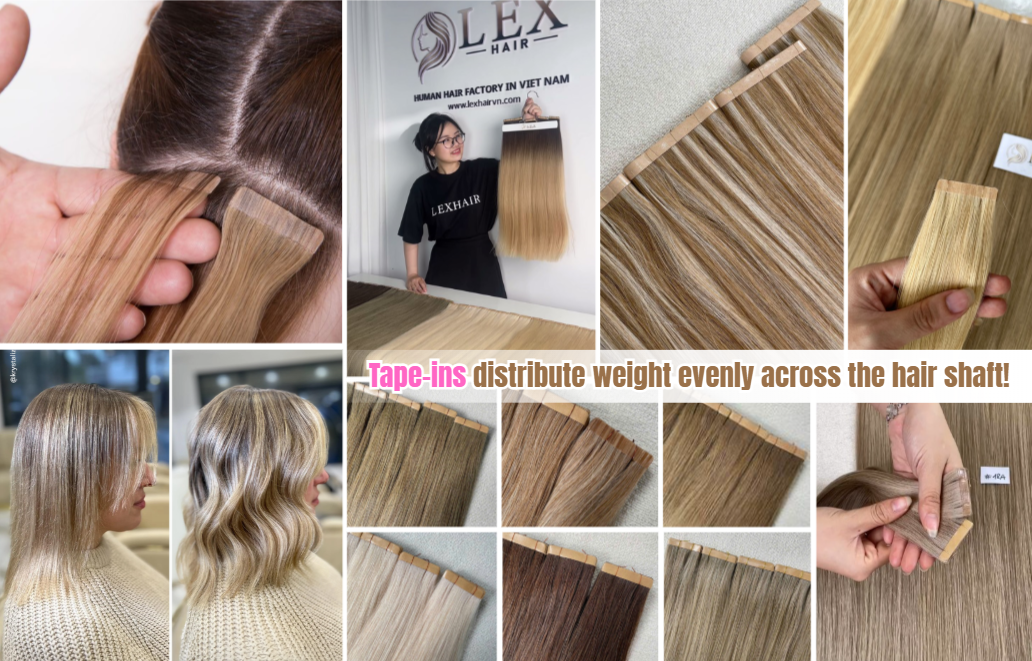
A study referenced by Cosmetic Science Technology Journal notes that flat-bond extensions reduce localized tension compared to clip-ins or bulky wefts.
Nano Ring Hair Extensions
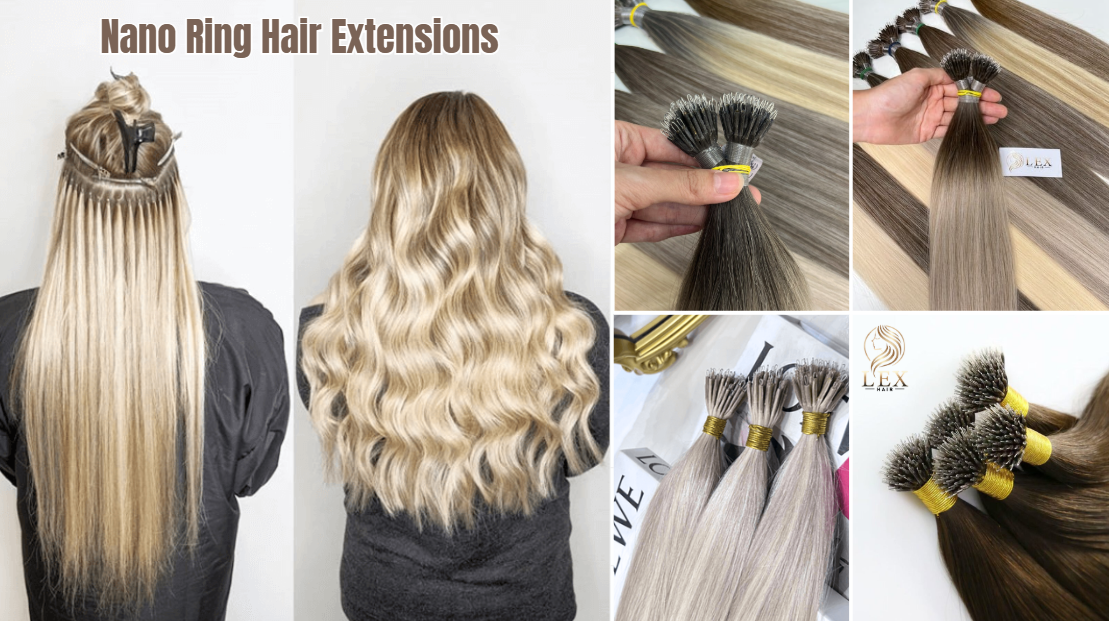
Nano rings use smaller beads than traditional micro rings. Their size minimizes visibility and reduces stress on fine hair.
Genius Weft Extensions
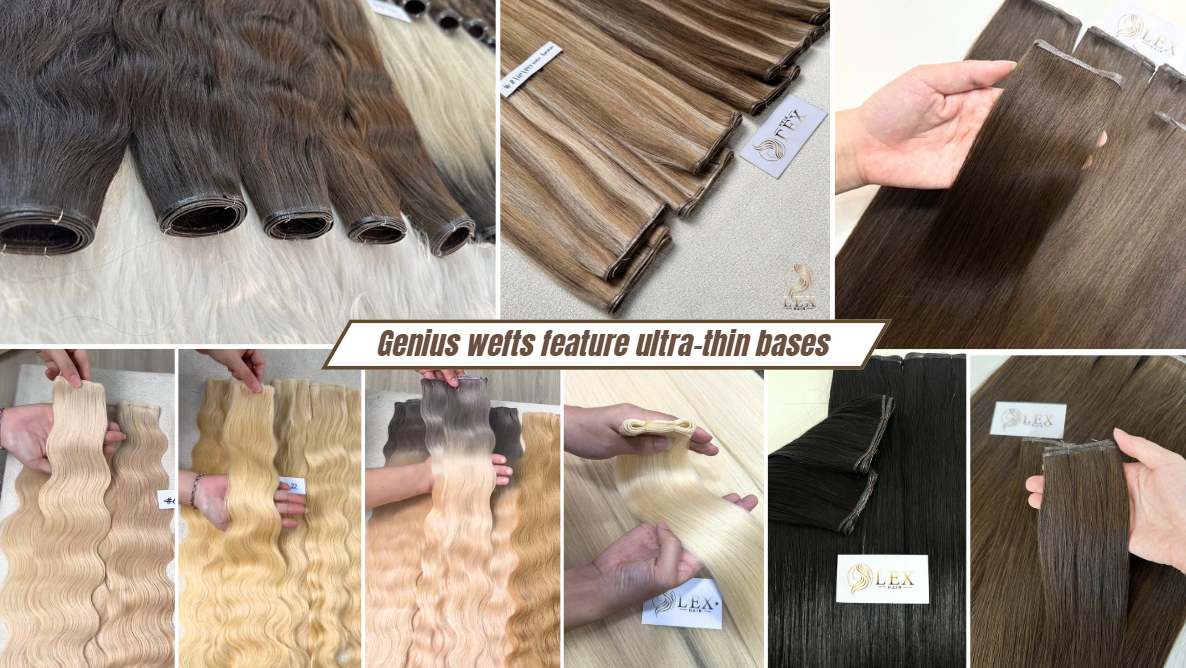
Genius wefts feature ultra-thin bases. They add volume without creating bulk, making them ideal for fine or thin hair.
❌ Avoid heavy clip-ins or thick machine wefts. These options often cause discomfort and breakage on fine hair.
What to Look for When Choosing Hair Extensions for Fine Hair
1. 100% Human Hair
Human hair blends naturally with fine strands. Synthetic fibers reflect light differently and expose extensions more easily.
2. Lightweight Construction
Lightweight hair extensions protect fine hair from traction alopecia. The American Academy of Dermatology highlights excessive tension as a major cause of extension-related hair loss.
3. Cuticle-Aligned Hair
Cuticle-aligned hair reduces tangling and friction. This feature helps fine hair maintain integrity during long-term wear.
4. Consistent Density
Extensions with uneven thickness look unnatural on fine hair. High-quality manufacturers control density from root to tip.
How Professionals Protect Fine Hair from Damage
Professional stylists follow three key rules:
- Match extension weight to natural hair strength
- Use flat, low-profile attachment methods
- Choose hair sourced from reputable manufacturers
Industry publications like Modern Salon emphasize that manufacturer quality matters more than installation method when working with fine hair.
Recommended Hair Extensions for Fine Hair
Stylists often recommend sourcing extensions from manufacturers that specialize in lightweight, cuticle-aligned human hair.
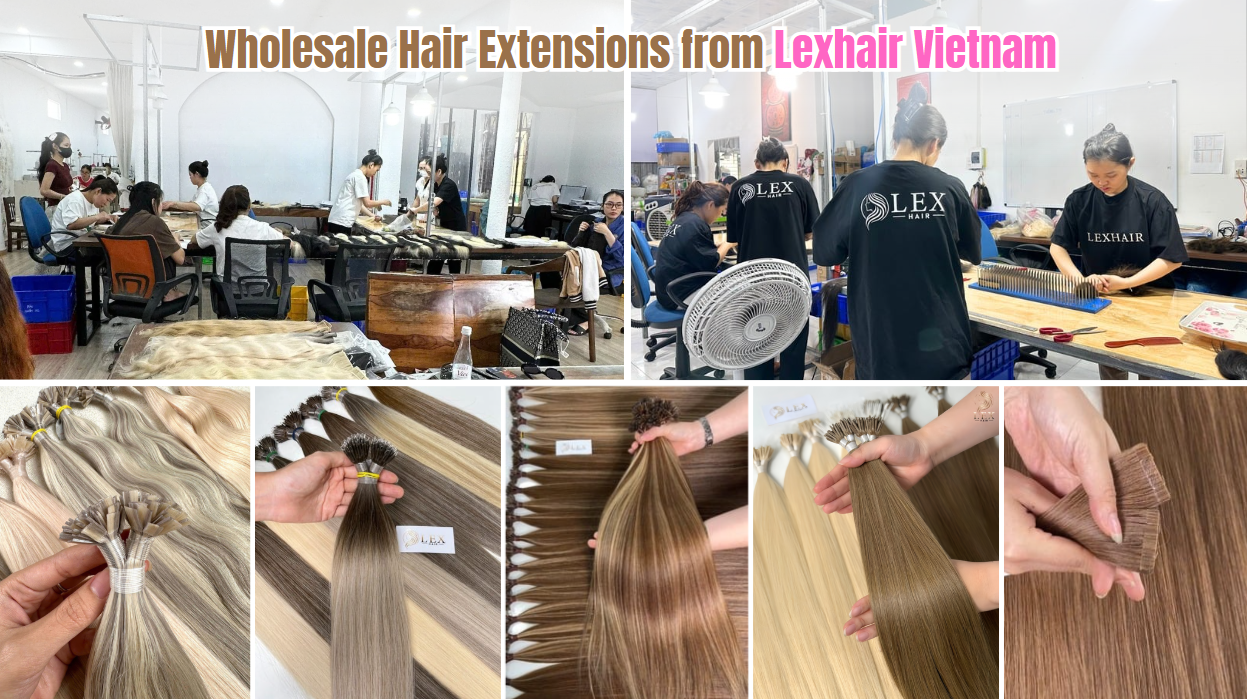
Factories such as Lexhair Factory focus on producing premium hair extensions designed to blend naturally with fine hair textures. Their attention to weight balance and consistent density makes their products suitable for salons and long-term wear without compromising hair health.
How to Maintain Hair Extensions on Fine Hair
Proper maintenance extends both hair health and extension lifespan:
- Use sulfate-free shampoo
- Avoid heavy oils near bonds
- Schedule professional adjustments every 6–8 weeks
The Journal of Cosmetic Dermatology confirms that correct aftercare significantly reduces hair shaft stress in extension wearers.
Frequently Asked Questions
Are hair extensions safe for fine hair?
Yes. When chosen correctly and installed professionally, extensions can enhance volume without damage.
Which hair extensions last longest on fine hair?
Tape-in and seamless weft extensions last longer due to even weight distribution.
Can fine hair support long extensions?
Yes, but stylists recommend moderate lengths to prevent excess tension.
Conclusion
Choosing the right hair extensions for fine hair requires more than aesthetics. Lightweight construction, high-quality human hair, and expert sourcing make the difference between damage and beautiful results.
When you prioritize hair health and professional standards, fine hair can look fuller, longer, and completely natural.