
Feb
Hair Tips
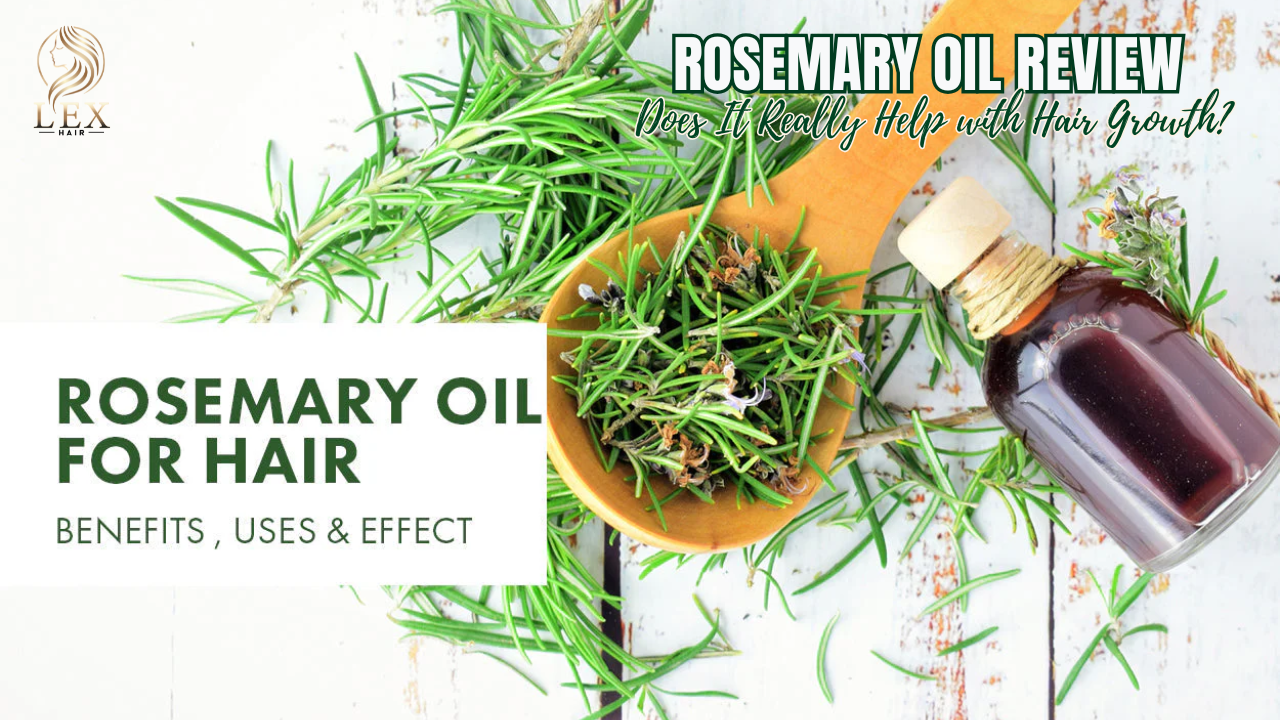
Rosemary Oil Review: Does It Really Help with Hair Growth?
Rosemary oil is widely used for hair growth and scalp health. But does it actually work? Here’s how to use it effectively.
1. Rosemary Oil for Hair Growth: How It Works
Rosemary oil supports hair growth by improving scalp circulation, reducing inflammation, and strengthening the hair growth cycle. Rather than forcing instant regrowth, it creates a healthier scalp environment where hair can grow more effectively and consistently.

1.1 Improves Scalp Circulation and Follicle Stimulation
First, rosemary oil stimulates blood flow to the scalp. As circulation increases, hair follicles receive more oxygen and essential nutrients. Consequently, follicles can function more efficiently and remain in the active growth phase longer.
1.1.1 Increases Nutrient Delivery to Hair Roots
When blood flow improves, vitamins and minerals reach the hair roots more effectively. As a result, strands may grow stronger, thicker, and more resilient over time.
1.1.2 Supports a Balanced Hair Growth Cycle
In addition, it may help reduce premature shedding by supporting a healthier hair cycle. Therefore, consistent use may lead to reduced hair fall and improved density.

1.2 Reduces Inflammation and Scalp Irritation
Besides improving circulation, it contains anti-inflammatory and antioxidant properties. These properties help calm scalp irritation, reduce redness, and minimize buildup that may block follicles.
1.2.1 Controls Dandruff and Excess Oil
Because it has mild antimicrobial effects, it may help manage dandruff and excess sebum. A cleaner scalp environment supports stronger and healthier hair growth.
1.2.2 Minimizes Breakage and Weak Strands
Furthermore, by strengthening the scalp foundation, it indirectly reduces breakage. Healthier roots lead to stronger strands, which improves overall hair thickness and appearance.
2. Scientific Evidence: Does Rosemary Oil Really Work?
Although it is popular on social media, research also supports its potential benefits. Some clinical comparisons suggest that oil may perform similarly to conventional hair regrowth treatments when used consistently over several months.
2.1 Comparison with Conventional Hair Growth Treatments
In studies comparing rosemary oil to minoxidil, both groups experienced improvement in hair count after consistent use. Therefore, it may offer a natural alternative for individuals seeking a plant-based solution.
2.1.1 Timeline for Visible Results
However, results do not appear immediately. Most users notice visible changes after 3–6 months of regular application. Patience and consistency are essential for measurable improvement.
2.1.2 Who May Benefit Most
People experiencing mild to moderate hair thinning may see better results than those with advanced hair loss. In more severe cases, medical consultation remains important.
3. How to Use Rosemary Oil for Hair Growth Effectively
Proper application significantly affects results. Using oil incorrectly may reduce effectiveness or cause irritation.
3.1 Proper Dilution and Application Method
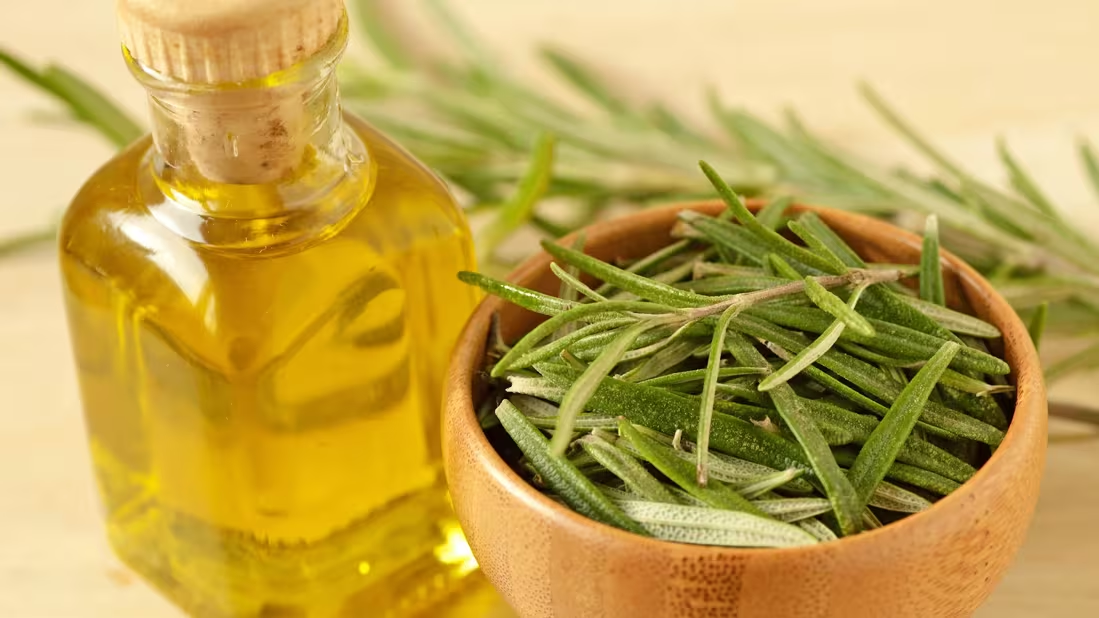
Because rosemary essential oil is highly concentrated, you should always dilute it with a carrier oil such as coconut oil, jojoba oil, or argan oil. After mixing a few drops, massage the oil gently into your scalp for 5–10 minutes. This not only improves absorption but also enhances circulation.
3.1.1 Recommended Frequency
For best results, apply rosemary oil 2–3 times per week. Overuse may cause dryness, while inconsistent use may delay visible improvements.
3.1.2 Patch Testing and Safety
Before full application, perform a patch test to check for sensitivity. Although rosemary oil is natural, it can still cause irritation in some individuals.

3.2 Choosing the Right Rosemary Oil Product
Not all oil products are equally effective. Therefore, selecting high-quality oil plays a critical role in achieving optimal hair growth results.
3.2.1 Pure Essential Oil vs. Infused Oil
Pure essential oil is more concentrated and requires dilution. In contrast, rosemary-infused oil is pre-blended with a carrier oil and may be gentler for sensitive scalps. Your choice should depend on your scalp condition and experience with essential oils.
3.2.2 What to Look for on the Label
When buying rosemary oil for hair growth, check for:
- 100% pure essential oil
- No synthetic fragrances or additives
- Dark glass packaging to preserve potency
- Clear botanical name (Rosmarinus officinalis)
Selecting a high-quality product increases the likelihood of consistent and safe results.
3.3 Common Mistakes When Using Rosemary Oil
Many users do not see results because they apply incorrectly.
3.3.1 Using Undiluted Essential Oil
Applying undiluted oil directly to the scalp may cause irritation and dryness. Always mix it with a carrier oil before use.
3.3.2 Expecting Overnight Results
Rosemary oil supports gradual improvement, not instant regrowth. Therefore, realistic expectations and consistent use are necessary for success.
Overall, rosemary oil can support hair growth by improving scalp circulation, reducing inflammation, and strengthening hair follicles. While it does not guarantee instant transformation, it offers a natural and affordable option for individuals seeking long-term scalp and hair health improvement.
>> Want to learn more about the best care for your hair? Visit LexHair / Why You Should Choose Lex Hair Factory for Your Hair? to learn more details.
Contact Information & Product Catalogue
- WhatsApp:
+ European-tone extensions: +84969241128
+ Wavy/ Curly hair: +84978091128 - Instagram:
+ European-tone extensions
+ Wavy/Curly hair
Website: Lexhair Factory Vietnam